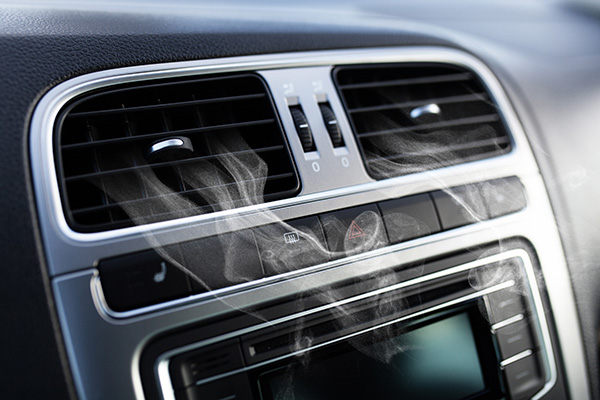
A gasoline smell after parking is not something to brush off, even if the car still starts and drives normally. Sometimes the odor comes from a small issue, such as a loose fuel cap or spilled fuel near the filler neck. In other cases, it indicates a leak or vapor problem that requires prompt attention.
The location and timing of the smell can reveal a great deal. An odor near the rear of the car suggests a different set of causes than one coming from under the hood. A smell that appears only after refueling is also different from one that returns after every drive.
A Loose Fuel Cap Can Let Vapors Escape
The fuel cap helps seal the tank and keeps gasoline vapors inside the EVAP system. If the cap is loose, cracked, missing its seal, or not clicking into place correctly, vapors can escape after the vehicle is parked. The smell may be strongest near the fuel door and may be more noticeable after the tank has just been filled.
A damaged cap can also trigger the check engine light because the vehicle may detect a leak in the vapor system. Tightening the cap may solve the concern if it was simply left loose, but a worn seal or damaged filler neck still needs inspection. Repeatedly clearing the warning light will not correct a sealing problem.
Fuel Spilled During Refueling Can Linger
Gasoline can splash onto the body, wheel well, tire, or pavement during refueling. Even a small spill can produce a strong odor because fuel evaporates quickly. The smell should fade once the area dries, although it may remain longer if fuel soaked into dirt or residue around the filler area.
If the odor happens every time the tank is filled, the problem may not be a simple spill. A cracked filler neck, damaged vent hose, leaking seal, or fault in the vapor recovery system can release fumes when the fuel level rises. The smell should be checked to see whether it returns consistently or becomes stronger after refueling.
A Fuel Leak Can Develop Under The Vehicle
Fuel lines run from the tank toward the engine, and age, corrosion, road debris, loose fittings, or damaged hoses can cause them to leak. A small leak may not leave a large puddle because gasoline evaporates rapidly. Instead, you may notice a wet spot, dark stain, or strong odor beneath the car after parking.
Leaks can also develop around the fuel tank, pump seal, filter connections, or injector lines. Any visible gasoline should be treated seriously. Do not start the engine or continue driving if fuel is dripping, collecting under the car, or creating a very strong odor around the vehicle.
The EVAP System May Be Releasing Fuel Vapors
Modern vehicles use an evaporative emissions system to capture gasoline vapors instead of allowing them to escape into the air. Components such as the charcoal canister, purge valve, vent valve, vapor hoses, and pressure sensors all help control those vapors. A leak or stuck valve can let the smell become noticeable after the engine is shut off.
EVAP problems do not always affect how the car drives, making them easy to overlook. The check engine light may appear, but the odor can start before a code is stored. Smoke testing and system checks can help locate leaks that are too small to see during a basic visual inspection.
Fuel Injectors Or Engine Bay Connections Can Leak
A gasoline smell from the front of the car may point toward the fuel rail, injectors, seals, hoses, or high-pressure fuel components on direct-injection engines. Heat under the hood can make a small leak smell much stronger after parking because fuel vapors collect as the engine sits.
A leaking injector seal or loose connection can also cause hard starting, rough idle, reduced fuel economy, or fuel residue around the engine. These leaks can be difficult to spot once the fuel evaporates. A careful inspection should be performed before the vehicle is driven again if the odor is strong under the hood.
A Rich-Running Engine Can Leave A Fuel Smell
Not every gasoline odor comes from liquid fuel leaking outside the system. An engine that is running too rich may send excess fuel into the exhaust. Worn spark plugs, weak ignition coils, faulty oxygen sensors, leaking injectors, airflow sensor problems, or excessive fuel pressure can all affect combustion.
The smell may come from the tailpipe after parking and may be joined by dark exhaust, poor fuel economy, rough running, or a check engine light. An exhaust or catalytic converter problem can make the odor more noticeable too. Scan data, fuel trim readings, and ignition checks help show whether the engine is burning fuel correctly.
Is It Safe To Keep Driving?
A faint odor that appears only once after refueling may be due to a small spill, but a smell that returns should not be treated as normal. Gasoline is highly flammable, and vapors can ignite near hot exhaust parts, electrical sparks, or open flames. Strong fumes can also cause headaches, dizziness, or nausea in an enclosed garage.
If the smell is intense, fuel is visible, the engine runs poorly, or the odor enters the cabin, park outside away from ignition sources and shut the vehicle off. Avoid smoking, using open flames, or attempting to locate a leak with a light that could spark. The safest decision is to have the vehicle inspected before driving it farther.
Get Gasoline Odor And Fuel Leak Diagnostics In Alexandria, VA, With Yates Automotive
If your car smells like gasoline after you park, Yates Automotive in Alexandria, VA, can inspect the fuel tank, lines, injectors, EVAP system, filler neck, and engine bay connections. A proper inspection can separate a harmless spill from a fuel or vapor leak that needs repair.
Contact us to schedule an appointment.