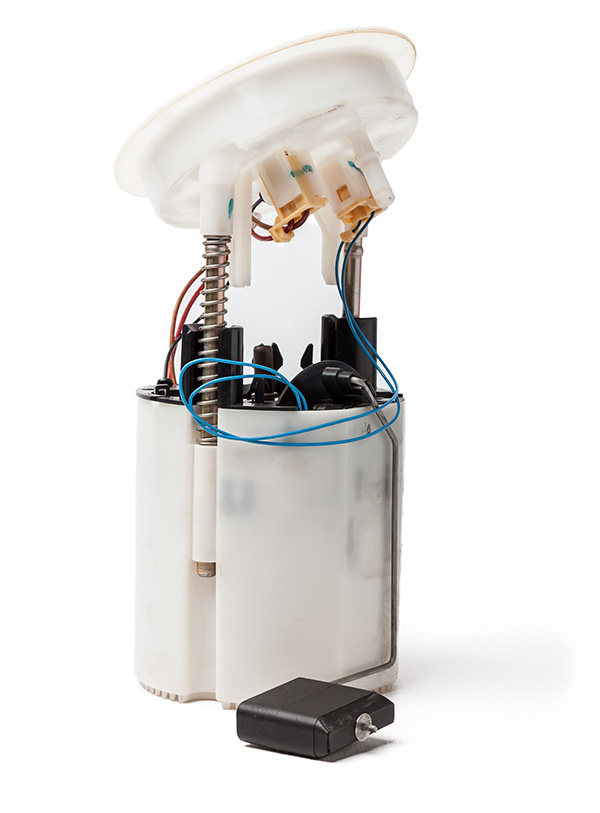
A healthy fuel pump keeps steady pressure at the rail so the engine can mix fuel and air correctly. When the pump starts to weaken, the symptoms often look like random drivability glitches at first. Over time, those hiccups can turn into stalling, long cranks, or a no-start that leaves you stuck.
Here is how to recognize the pattern early and what it typically takes to confirm the problem.
What the Fuel Pump Does and Why It Matters
Most modern vehicles use an in-tank electric pump that sends fuel through a filter to the injectors at a specific pressure. That pressure has a narrow window, and even a small drop can cause lean running, misfires, and hesitation. Because the pump sits in the tank, it is cooled and lubricated by fuel. Running near empty often makes the pump hotter, which accelerates wear.
Classic Warning Signs of a Weak Fuel Pump
A common early clue is a soft whine from under the rear seat area or the tank. The sound may rise with engine speed or get louder as the tank gets low. You might notice stumbling during steady cruising, a brief sag when you step into the throttle, or surging as the pump struggles to keep up. Hard starting after the car sits overnight can also point to pressure bleed-down through the pump or its internal check valve.
In more advanced cases, the engine may stall at idle or on hot days, then restart after cooling for a few minutes.
How Symptoms Change With Speed and Load
Fuel demand increases with load. If the pump is weak, the problem shows up when climbing hills, merging, or towing. The engine may feel fine around town, but fall flat above 3,000 rpm or when you ask for more throttle. That pattern is a strong hint that the pump cannot maintain volume at higher demand. Some drivers also describe a brief burst of power, then a steady loss as the pump overheats and pressure drops.
No-Start vs. Hard-Start: Telling Look-Alikes Apart
A failing fuel pump is not the only cause of hard starting. Fouled spark plugs, a weak ignition coil, a clogged air filter, or a failing crankshaft sensor can create similar behavior. The difference is in how the car acts once it is running. Ignition issues often cause sharp misfires that feel like jolts. Airflow problems usually feel lazy at all times.
Fuel pump problems tend to get worse as the engine warms or when you ask for power, and they often improve temporarily after the vehicle cools down. The smell of raw fuel is not typical for a weak pump; that points more to leaks or a rich mixture fault.
What a Proper Diagnostic Includes
- Verify fuel pressure and volume under different loads, not just at idle; static pressure can look fine while volume collapses on the road, so a road test with a gauge or scan tool matters.
- For return-style systems, check the pressure regulator for proper control.
- For returnless systems, evaluate the fuel pump control module and wiring.
- Perform current ramp testing to spot worn pump commutators.
- Run a voltage drop check to confirm the pump is getting full power.
- Inspect the fuel filter or in-tank strainer; a restriction can mimic a weak pump.
- Conduct a smoke test for intake leaks.
- Do an ignition analysis to rule out look-alike faults before replacing parts.
Driving Risks If You Ignore the Signs
Continuing to drive with a failing pump risks sudden loss of power in traffic, which is unsafe during merges or turns across lanes. A chronically lean condition can push engine temperatures up, which is hard on valves and catalytic converters. Repeated hot stalls can also leave you stranded in inconvenient spots.
Addressing the issue early often saves money, because you can service a failing relay, corroded connector, or restricted filter before the pump itself is damaged from heat.
Get Reliable Fuel Delivery With Yates Automotive in Alexandria, VA
If your car hesitates on hills, whines near the tank, or cranks longer than normal, our team can pinpoint the cause and restore confident performance. We test pressure and volume under load, verify electrical supply, and address the real fault so the fix lasts.
Schedule a diagnostic with Yates Automotive in Alexandria, VA, and keep your fuel system delivering smooth, dependable power.