Posted on 8/28/2026
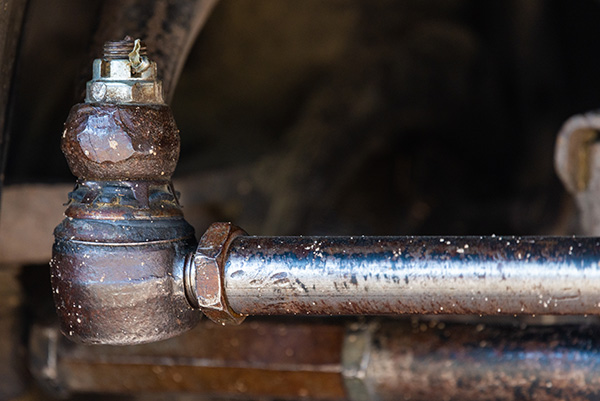
Yes, a bent steering knuckle can cause alignment problems, and the effects are often more noticeable than drivers expect. The steering knuckle connects several important suspension and steering components, including the wheel hub, strut or control arms, tie rod, and sometimes the brake caliper mounting points. If that structure is bent, the wheel may no longer sit at the angle the suspension was designed to maintain. The tricky part is that a bent knuckle does not always look obviously damaged. After a hard pothole impact, curb strike, or collision, the vehicle may simply begin pulling, wearing tires unevenly, or refusing to hold an alignment. When alignment angles cannot be brought back into specification even though the normal adjustment points are working correctly, the knuckle becomes one of the components technicians need to consider. What the Steering Knuckle Actually Does The steering knuckle is the structural connection between the wheel and much of the susp ... read more
Posted on 7/31/2026
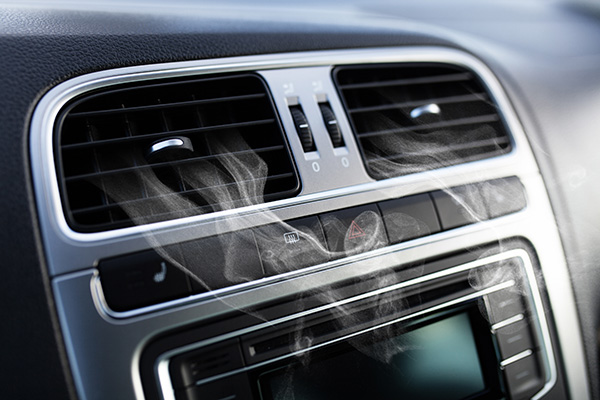
A gasoline smell after parking is not something to brush off, even if the car still starts and drives normally. Sometimes the odor comes from a small issue, such as a loose fuel cap or spilled fuel near the filler neck. In other cases, it indicates a leak or vapor problem that requires prompt attention. The location and timing of the smell can reveal a great deal. An odor near the rear of the car suggests a different set of causes than one coming from under the hood. A smell that appears only after refueling is also different from one that returns after every drive. A Loose Fuel Cap Can Let Vapors Escape The fuel cap helps seal the tank and keeps gasoline vapors inside the EVAP system. If the cap is loose, cracked, missing its seal, or not clicking into place correctly, vapors can escape after the vehicle is parked. The smell may be strongest near the fuel door and may be more noticeable after the tank has just been filled. A damaged cap can also trigger the check ... read more
Posted on 6/26/2026
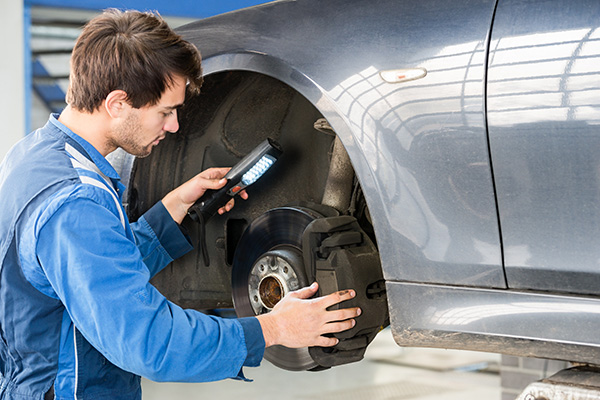
Brake repairs can feel confusing when the symptoms are not clear. One driver hears a squeak and only needs pads. Another feels the steering wheel shake and needs rotors. Someone else waits a little too long and ends up needing both parts replaced together. Brake pads and brake rotors work together every time you slow down. The pads press against the rotors, and that friction brings the vehicle to a stop. When one part wears too far, the other can suffer too. Knowing the difference can help you understand what your technician is seeing during an inspection. How Brake Pads And Brake Rotors Work Together Brake pads are the friction material in the brake system. When you press the pedal, the caliper squeezes the pads against the rotor. Brake rotors are the metal discs mounted at each wheel, and they give the pads a flat surface to grip. Both parts deal with heat, pressure, moisture, and road grime. Pads are designed to wear down over time. Rotors also wear, but they ne ... read more
Posted on 5/29/2026
%20copy.jpg)
An overheating engine is one of those problems that can make a normal drive feel very expensive in a hurry. The temperature gauge climbs, the warning light comes on, maybe steam shows up, and suddenly the question is whether you can make it home. Sometimes you can. Sometimes that last mile is the mile that hurts the engine. A blown head gasket is one of the big risks when an engine gets too hot. It does not always happen the first time the gauge climbs, but repeated overheating or a single severe event can push the engine past what the gasket and metal surfaces can withstand. What The Head Gasket Actually Seals The head gasket sits between the engine block and the cylinder head. It has to seal three very different things at the same time: combustion pressure, engine oil, and coolant. Those areas are close together, but they cannot mix. When everything is flat, tight, and cooled correctly, the gasket does its job quietly. When the engine overheats, the metal around ... read more
Posted on 4/15/2026
Most drivers do not plan for car problems. Questions usually come up after something changes, like a noise, a warning light, or a drop in performance. Since many issues show up in similar ways, the same questions get asked again and again. Clear answers help you respond faster and avoid unnecessary repairs. They also help you understand when something is urgent and when you still have time to schedule service. 1. What Does A Check Engine Light Mean? A check engine light means the system has detected a fault. A steady light usually points to a problem that should be checked soon. A flashing light is more serious and often tied to a misfire. That situation can damage the catalytic converter if the car keeps running. 2. Why Is My Car Making A Grinding Noise? Grinding usually points to metal-on-metal contact. In braking, that often means the pads are completely worn out. In other areas, grinding can indicate internal wear. Either way, that sound sho ... read more
Posted on 3/15/2026
Car problems always pop up at the worst possible time. A light comes on, a noise starts, or the car just feels different, and you want a straight answer without a rabbit hole of conflicting advice. This FAQ guide gives you quick, practical answers you can use, and it also helps you know when regular maintenance can prevent the same issue from coming back. 1. Is It Safe To Drive With The Check Engine Light On? If the light is steady and the car feels normal, you can often drive gently for a short time, but don’t ignore it for weeks. If it’s flashing, ease off and limit driving because that usually indicates an active misfire that can damage the catalytic converter. A quick scan tells you whether it’s minor or something that should be handled soon. 2. What Does A Flashing Check Engine Light Usually Mean? Flashing almost always points to a serious misfire that is happening right now. The engine may feel shaky, weak, or like it&rsquo ... read more
Posted on 2/9/2026

After a recent snowstorm, drivers around Alexandria, VA, and surrounding areas are still dealing with lingering ice on roads, parking lots, and side streets. With temperatures staying low, much of that ice hasn’t had a chance to melt, even after plowing. While it’s easy to focus on slick roads and poor visibility, many drivers don’t realize how much ice and snow can actually damage their vehicles. From undercarriage wear to alignment problems, winter conditions can take a real toll if you’re not careful. How Ice and Snow Affect Your Vehicle Ice and snow impact more than just traction. When snow piles up and freezes, it creates hazards that can stress components you don’t normally think about. Even careful drivers can experience issues simply from daily commuting or parking outdoors. Some damage happens suddenly, while other problems develop over time as frozen buildup continues to refreeze and thaw. Undercarriage Damage from Ice Buildup ... read more
Posted on 1/30/2026
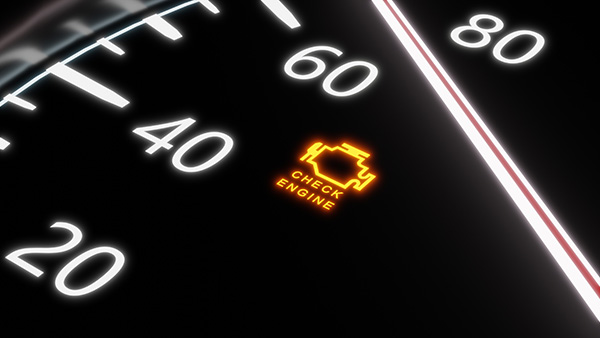
The check engine light has a way of making you nervous, then confusing you. It comes on during a normal drive, you start thinking worst-case, and then the next day it’s gone. A lot of drivers assume that means the problem fixed itself. Sometimes that’s true, but more often it means the car stopped seeing the issue for the moment. The real question is why it turned on in the first place and whether the conditions that triggered it are likely to recur. Why The Light Can Turn Off By Itself Most check engine lights are triggered when the engine computer sees a fault more than once, or for long enough to count as a real event. If the condition stops happening, the system may turn the light off after a certain number of drive cycles. The key detail is that the light can go off while the fault is still stored in memory. Intermittent problems are the most common reason this happens. A loose connection, a sensor signal that glitches under heat, or a small leak t ... read more