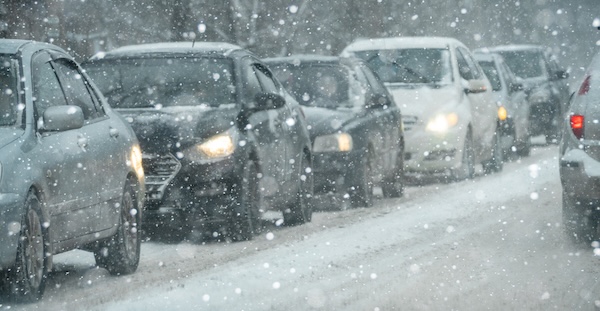
After a recent snowstorm, drivers around Alexandria, VA, and surrounding areas are still dealing with lingering ice on roads, parking lots, and side streets. With temperatures staying low, much of that ice hasn’t had a chance to melt, even after plowing. While it’s easy to focus on slick roads and poor visibility, many drivers don’t realize how much ice and snow can actually damage their vehicles.
From undercarriage wear to alignment problems, winter conditions can take a real toll if you’re not careful.
How Ice and Snow Affect Your Vehicle
Ice and snow impact more than just traction. When snow piles up and freezes, it creates hazards that can stress components you don’t normally think about. Even careful drivers can experience issues simply from daily commuting or parking outdoors.
Some damage happens suddenly, while other problems develop over time as frozen buildup continues to refreeze and thaw.
Undercarriage Damage from Ice Buildup
Your vehicle’s undercarriage is one of the most vulnerable areas during winter. Ice chunks, hardened snow, and plowed debris can strike:
- Exhaust components
- Heat shields
- Suspension parts
- Plastic splash guards
Driving over packed ice or frozen ruts can cause cracks, bent metal, or loosened fasteners. These issues may not be apparent at first, but over time they can lead to rattling noises, exhaust leaks, or reduced fuel efficiency.
Suspension and Alignment Problems
Frozen roads often develop uneven surfaces, hidden potholes, and ice ridges. Even when roads appear clear, lingering ice beneath a thin layer of snow can cause jolts when driving.
This can result in:
- Steering pulling to one side
- Uneven tire wear
- Clunking or knocking sounds over bumps
Misalignment doesn’t just affect handling. iI shortens tire life and puts additional strain on suspension components.
Tire Damage and Loss of Air Pressure
Cold temperatures naturally reduce tire pressure, but ice-covered roads add another layer of risk. Driving over sharp ice edges or compacted snow mixed with gravel can damage tire sidewalls or tread.
Low tire pressure combined with winter road conditions can lead to:
- Reduced traction
- Poor braking performance
- Increased risk of a blowout
Regularly checking tire pressure during prolonged cold spells is especially important when temperatures remain below freezing.
Brakes Take a Winter Beating
Ice and snow introduce excess moisture into the braking system. Salt and road treatment chemicals stick to brake components, accelerating corrosion. Over time, this can cause:
- Grinding or squealing noises
- Reduced braking response
- Premature brake wear
Even if you don’t notice immediate issues, winter driving can shorten the lifespan of brake pads and rotors.
Body Damage from Ice and Snow Removal
Scraping ice from your vehicle is a winter routine, but improper techniques can cause cosmetic damage. Using rigid tools or chipping aggressively at thick ice can scratch paint or crack mirrors and trim.
Snow falling from roofs, tree branches, or nearby vehicles can also dent panels or damage windshields—especially when snow has hardened into heavy ice.
Windshield, Wipers, and Visibility Issues
Ice buildup puts stress on your windshield and wiper system. Frozen wiper blades can tear rubber or strain the wiper motor if turned on too soon. Small chips in the windshield can spread quickly in freezing temperatures, turning a minor issue into a full crack.
Visibility problems are more than inconvenient—they’re a safety concern during darker winter commutes.
Electrical and Sensor Concerns
Modern vehicles rely on sensors for traction control, ABS, and driver-assist features. Ice buildup around wheel speed sensors or cameras can trigger warning lights or temporarily disable systems.
Battery performance also drops in cold weather, and winter driving demands more electrical power for heaters, defrosters, and lights.
How to Reduce Ice-Related Vehicle Damage
While you can’t control the weather, you can reduce the risk of winter-related damage:
- Remove snow buildup before driving, especially around wheel wells
- Avoid driving over large chunks of ice when possible
- Let your car warm up just enough to safely defrost the windows
- Check tire pressure weekly during cold stretches
- Wash your vehicle to remove salt and road chemicals
- Most importantly, pay attention to new noises, warning lights, or changes in how your car handles.
When to Have Your Vehicle Checked
If you’ve been driving on icy Northern Virginia roads for several days or weeks, it’s smart to have your vehicle inspected. Even minor issues can worsen if left unaddressed, especially when freezing conditions persist.
A professional inspection can identify suspension damage, brake wear, alignment issues, or undercarriage problems before they lead to costly repairs.
Schedule a Winter Vehicle Check Today
Ice and snow don’t have to leave lasting damage on your car, but only if problems are caught early. If you’re in Alexandria, VA, or the surrounding Northern Virginia or DMV area and have concerns after recent winter weather, our auto repair shop is here to help.
Contact Yates Automotive in Alexandria, VA, today to schedule a winter inspection and drive with confidence, no matter how long the ice sticks around.