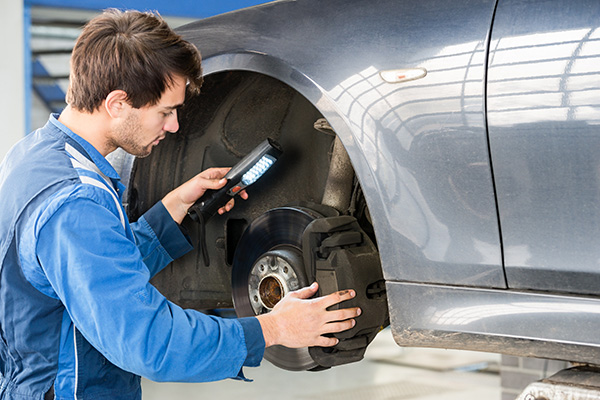
Brake repairs can feel confusing when the symptoms are not clear. One driver hears a squeak and only needs pads. Another feels the steering wheel shake and needs rotors. Someone else waits a little too long and ends up needing both parts replaced together.
Brake pads and brake rotors work together every time you slow down. The pads press against the rotors, and that friction brings the vehicle to a stop. When one part wears too far, the other can suffer too. Knowing the difference can help you understand what your technician is seeing during an inspection.
How Brake Pads And Brake Rotors Work Together
Brake pads are the friction material in the brake system. When you press the pedal, the caliper squeezes the pads against the rotor. Brake rotors are the metal discs mounted at each wheel, and they give the pads a flat surface to grip.
Both parts deal with heat, pressure, moisture, and road grime. Pads are designed to wear down over time. Rotors also wear, but they need to remain thick and even to provide safe braking. If the rotor surface becomes rough, grooved, warped, or too thin, new pads alone will not always solve the problem.
Brake Pad Wear Signs Drivers Should Notice
Worn brake pads can give several warnings before they are completely gone. Squeaking is one of the most common signs. Some pads have wear indicators that make noise as the pad material wears down. That sound is meant to get your attention before the brakes reach a more expensive stage.
Grinding is more serious. It can mean the pad material is gone, and the metal backing is contacting the rotor. Other signs include a longer stopping distance, a brake pedal that feels different, or the car pulling during braking. These symptoms should be checked soon, as thin pads can quickly damage the rotors.
Brake Rotor Problems That Cause Shaking Or Pulsing
Brake rotor issues are commonly felt through vibration. If the steering wheel shakes when you brake, or the brake pedal pulses under your foot, the rotors may have uneven surfaces or thickness variation. Heat, age, hard braking, rust, and worn pads can all contribute to rotor problems.
Rotors can also develop grooves or heavy rust. In some cases, they become too thin to safely reuse. A rotor does not have to look destroyed to cause a poor braking feel. If the surface is not right, the pads cannot make steady contact, and the vehicle may not stop as cleanly as it should.
When Your Car Needs Brake Pads Only
Sometimes a brake repair only requires new pads. That is usually possible when the pads are worn, but the rotors are still thick, even, and in good condition. The calipers, hardware, and brake fluid should also be checked to make sure the system is working correctly.
A pad-only repair should still be based on measurements, not hope. Rotor thickness, surface condition, and runout all matter. Installing new pads on poor rotors can lead to squeaking, vibration, uneven wear, or a brake pedal that still does not feel right.
When Brake Pads And Rotors Should Be Replaced Together
Pads and rotors are commonly replaced together when the rotors are damaged, too thin, heavily grooved, rusty, or uneven. If the old pads have been grinding, the rotors may already have deep scoring. In that case, new pads will not have a clean surface to work against.
Rotors may also need replacement if they have been overheated. Heat can create hard spots, vibration, or braking noise. Replacing both parts together can give the brake system a better surface match, which helps the new pads seat properly and perform more consistently.
Common Brake Warning Signs To Watch
Brake symptoms do not always show up one at a time. A few signs are especially worth paying attention to:
- Squeaking or squealing when braking
- Grinding from one or more wheels
- Steering wheel shake during stops
- Brake pedal pulsing
- Burning smell after driving
- Car pulling to one side when braking
- Brake warning light on the dashboard
Any of these signs can point toward worn pads, rotor trouble, caliper problems, brake fluid concerns, or another issue in the system. Regular maintenance gives the brakes a better chance of being caught before one worn part damages another.
Why A Full Brake Inspection Matters
A proper brake check looks beyond pads and rotors. Calipers, slides, hoses, hardware, brake fluid, wheel bearings, and tires can all affect how the vehicle stops. A sticking caliper, for example, can wear one pad faster than the others. Old brake fluid can affect pedal feel. Worn suspension parts can make a brake vibration feel worse.
That is why brake repair should not be based only on noise. The whole system needs to be checked so the repair matches the actual problem. If the brakes are carefully measured and tested, you get a clearer answer about whether you need pads, rotors, or both.
Get Brake Pad And Brake Rotor Replacement In Alexandria, VA, With Yates Automotive
If your brakes squeak, grind, shake, pulse, pull, or feel different than they used to, Yates Automotive in Alexandria, VA, can inspect the brake pads, rotors, calipers, fluid, and hardware.
For brake service that helps restore safer stopping and clearer confidence behind the wheel, contact us to schedule an appointment.